
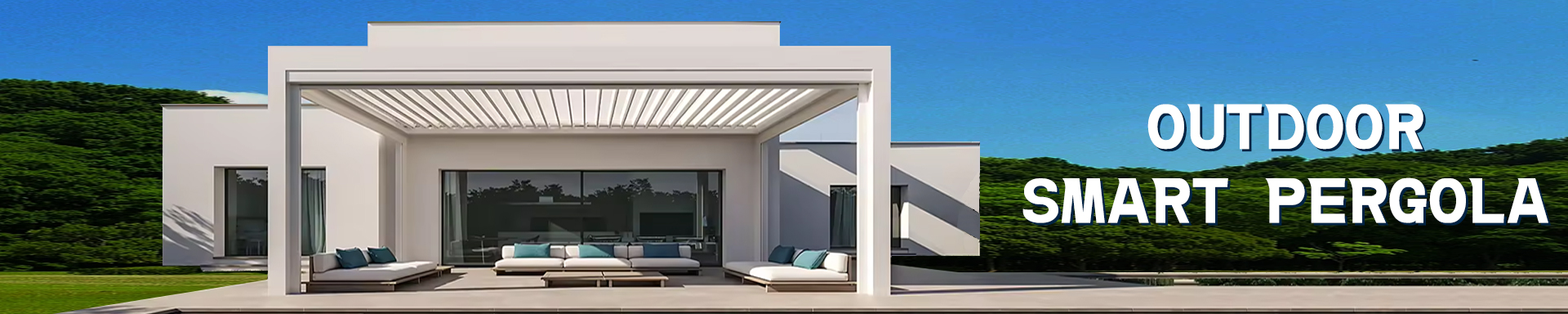
1.Factors Influencing Motorized Aluminum Pergola Costs
When planning a Motorized Aluminum Pergola, several critical factors directly affect the total investment. Understanding these elements helps homeowners and designers make informed decisions without overpaying for unnecessary features.
1.1 Material Quality and Aluminum Grades
The grade of aluminum used determines not only structural strength but also long-term durability. 6061-T6 and 6063-T5 alloys are industry standards for outdoor structures, offering corrosion resistance and load-bearing stability. Higher-grade alloys may increase costs by 15-30%, but they minimize warping and maintenance over time. For example, using 6061-T6 powder-coated aluminum in a pergola designed for coastal environments prevents saltwater corrosion, which could otherwise damage cheaper materials within 3-5 years. Additionally, premium finishes often come with warranties of 10-15 years, enhancing long-term value.1.2 Size, Dimensions, and Coverage Area
Pergola size significantly impacts pricing. Larger coverage areas require more aluminum, heavier framing, and additional support posts. Here’s a quick comparison of typical sizes and approximate material costs:
| Pergola Size | Coverage Area (sq ft) | Estimated Aluminum Cost | Notes |
|---|---|---|---|
| Small | 120–150 | $1,200–$1,800 | Suitable for small patios or decks |
| Medium | 200–250 | $2,000–$3,200 | Allows seating and lounge setups |
| Large | 300+ | $3,500–$5,500 | Can accommodate dining sets and outdoor kitchens |
Choosing standard dimensions reduces material waste and lowers cost, whereas fully customized dimensions may increase material expenses by 10–20%. For suburban backyard installations, a medium-sized aluminum patio cover often balances cost with functional space.
1.3 Roof Type: Retractable Louvers vs Fixed Panels
Roofing choice is another major cost driver. Retractable louvers provide flexible sunlight and rain control but involve complex motorized components. In contrast, fixed aluminum panels are simpler to install and maintain but lack adjustability. Retractable systems generally add $1,000–$2,500 to the base price due to motors, sensors, and additional supports. Moreover, high-quality louvers can tilt to 150 degrees for optimal shade control, whereas fixed panels provide only static coverage.
1.4 Automation Features and Control Systems
The level of automation directly correlates with price. Motorized pergolas can include remote controls, smartphone apps, timers, and weather sensors. Installing solar-powered sensors that automatically close louvers during rain can add another $300–$600, but this investment protects furniture and reduces maintenance. Smart integration with home automation systems may add $500–$1,000 depending on compatibility and wiring needs. For users seeking effortless control, the convenience often justifies the added cost.
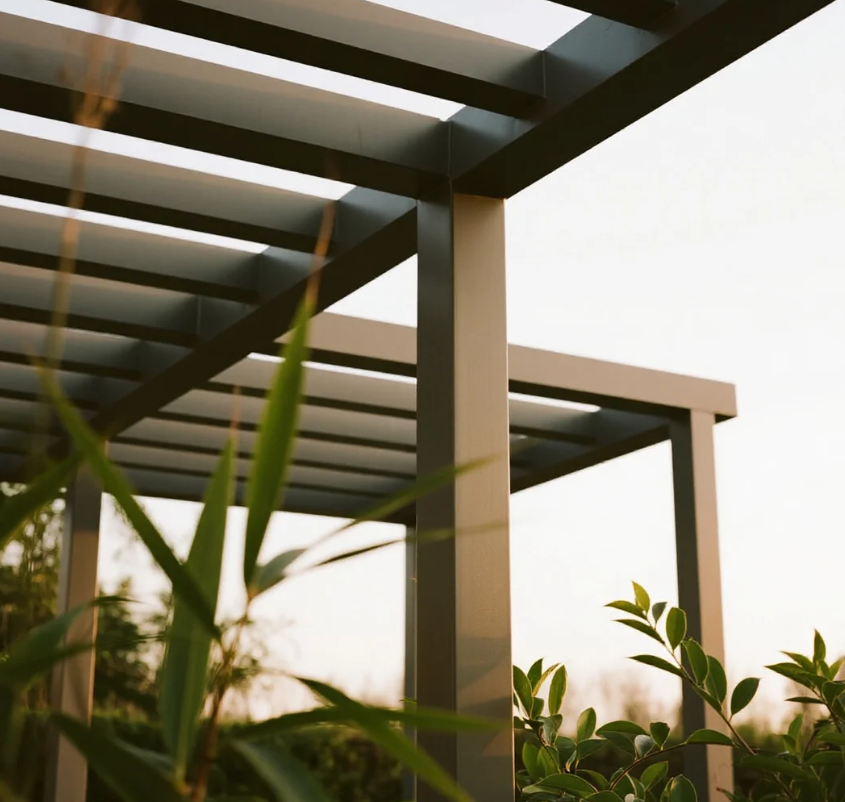
2.Base Price Ranges
Understanding base price ranges for Motorized Aluminum Pergolas helps homeowners plan budgets realistically while avoiding hidden costs. Pricing varies depending on size, automation level, and included materials. Below, we break down typical cost ranges with practical examples.
2.1 Small Motorized Pergolas
Small motorized aluminum pergolas typically cover 120–150 sq ft and are ideal for patios, balcony extensions, or compact outdoor lounges. Base costs usually range from $3,500 to $5,500, including standard aluminum profiles, powder-coated finish, and basic motorized louvers. Key factors affecting this price include:-
Aluminum grade – Using 6063-T5 alloy ensures lightweight yet corrosion-resistant framing, slightly lowering transport and installation fees.
-
Motor quality – Single-motor systems with basic remote control cost less than dual-motor setups with weather sensors.
-
Roof style – Standard louvers reduce cost compared to advanced tilt mechanisms with automatic rain detection.
For instance, a small backyard aluminum patio cover with a single-motor louver system can be installed in 2–3 days, making it a quick, cost-efficient upgrade.
2.2 Medium-Sized Pergolas with Automation
Medium motorized pergolas, covering 200–250 sq ft, suit larger decks, poolside areas, or garden lounges. Base prices generally fall between $5,500 and $8,500, factoring in heavier framing, dual motors, and higher-end powder coatings. Additional details include:-
Electrical integration – Wiring for remote or app-controlled systems may add $300–$600 depending on distance to the power source.
-
Enhanced weather resistance – Coastal or high-moisture environments may require thicker aluminum and advanced powder-coating.
-
Installation complexity – Large spans need 4–6 support posts and precision alignment, typically requiring 3–5 days for full setup.
Customers often combine LED integrated lighting or retractable side shades at this stage, which can add $500–$1,000 but significantly enhance usability.
2.3 Large or Luxury Motorized Pergolas
Large motorized pergolas, above 300 sq ft, or luxury versions with multiple automation features, custom dimensions, and premium finishes can range from $8,500 to $15,000 or more. Important considerations include:-
Multi-motor systems – Large spans often require 2–4 synchronized motors to ensure smooth operation of louvers, which increases both hardware and installation costs.
-
Smart home integration – Adding smartphone app control, voice commands, or timers typically costs $500–$1,200, but greatly improves convenience.
-
Custom design elements – Features like decorative trims, built-in planters, or extended overhangs increase aluminum usage and labor complexity.
For example, a luxury aluminum motorized pergola installed around a poolside dining area can take 5–7 days, often involving crane assistance for large panels, highlighting the importance of factoring labor in overall costs.
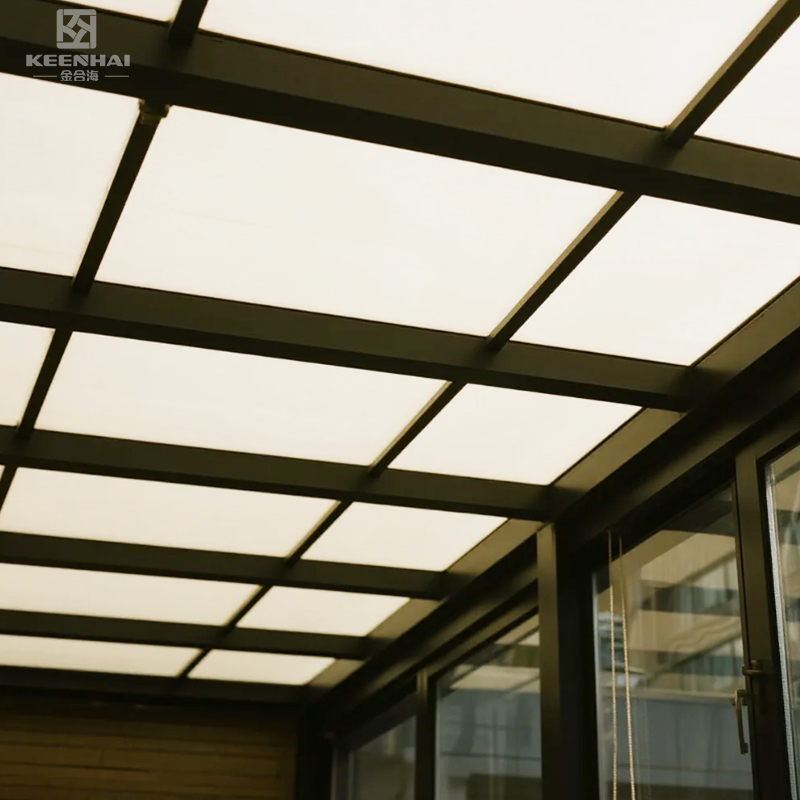
3.Installation and Labor Expenses
Proper installation is critical for Motorized Aluminum Pergolas to ensure durability, smooth operation, and safety. Labor costs vary significantly depending on pergola size, site conditions, and whether professional installers or DIY methods are used.
3.1 Professional Installation Costs and Complexity
Hiring certified installers ensures precise alignment, secure mounting, and proper integration of motors and electrical components. Typical professional installation costs range from $800 to $3,500, depending on pergola size and automation features. Key details include:-
Site assessment – Professionals usually inspect the outdoor space, measuring width, length, and any slopes or uneven surfaces.
-
Foundation preparation – Concrete footings or reinforced mounts are poured or installed to anchor posts, taking 1–2 days for small-to-medium pergolas.
-
Pergola assembly – Installing aluminum beams, louvers, and motors typically takes 2–4 days, with larger or multi-motor systems extending to 5–7 days.
-
Electrical and automation setup – Wiring for motors, sensors, and optional LED lights adds $200–$600, depending on distance and complexity.
Professional installation minimizes risks like uneven louver operation or motor strain, which can save costs on repairs in the long term.
3.2 DIY Installation Considerations
Some homeowners attempt self-installation to reduce labor expenses. DIY installation is feasible for small to medium pergolas but requires careful planning:-
Skill level – Ensure familiarity with tools, structural assembly, and electrical basics.
-
Time commitment – DIY may take 2–5 days depending on size and help availability.
-
Safety precautions – Use sturdy scaffolding, wear safety gear, and verify all electrical connections are compliant.
-
Tool requirements – Drill, level, wrench set, scaffolding, and voltage tester are essential.
While DIY saves $800–$2,500 in professional fees, mistakes can lead to motor misalignment, water pooling, or structural instability, potentially costing more in repairs.
3.3 Additional Site Preparation Costs
Extra site preparation ensures long-term durability, especially in uneven or complex landscapes. Typical costs include:-
Ground leveling or excavation – Uneven terrain may require $200–$800 in grading or soil fill.
-
Concrete footings – Larger pergolas or areas with heavy rainfall require reinforced concrete bases, adding $150–$500 per post.
-
Debris removal or landscaping adjustments – Removing trees, rocks, or existing structures can range from $100–$600.
-
Drainage considerations – Installing gutters, rain channels, or slight slope adjustments ensures water runoff doesn’t damage motors or aluminum surfaces.
Proper preparation directly affects the efficiency of installation and longevity of the motorized system, making it a critical factor in overall pergola cost.
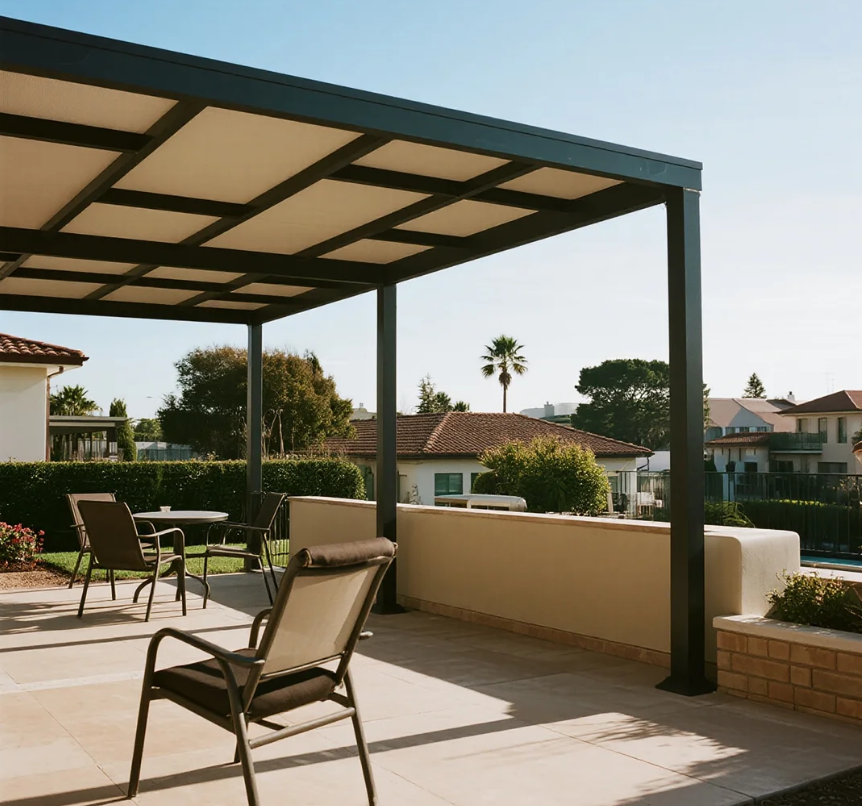
4.Optional Features and Upgrades
Enhancing a Motorized Aluminum Pergola with optional features not only increases comfort and usability but also adds aesthetic value to your outdoor space. These upgrades range from integrated lighting to smart home connectivity and custom seating solutions.
4.1 Integrated Lighting and Electrical Systems
Adding LED lighting, power outlets, or ambient lighting rails transforms your pergola into a functional evening retreat. Key considerations include:-
Placement – Install lights along crossbeams, posts, or within retractable louvers for even illumination.
-
Power source – Connect to an existing outdoor circuit or add a dedicated breaker for safety.
-
Control options – Use wall switches, remote controls, or integrate with smart home systems for timed or mood lighting.
Integrated electrical systems typically add $300–$1,200 depending on complexity, fixture quality, and automation level. Proper installation ensures longevity and minimizes maintenance headaches.
4.2 Built-in Seating, Planters, or Side Panels
Custom seating, planter boxes, or side panels increase usability and define the space. Benefits and practical steps include:-
Seating integration – Built-in benches attached to pergola posts reduce clutter and create cohesive designs.
-
Planters – Lightweight aluminum or composite boxes can be anchored directly to support beams, allowing vertical gardening.
-
Side panels – Optional retractable or fixed panels provide privacy and wind protection, while contributing to style.
These upgrades add $500–$2,000 depending on materials, size, and custom design. For instance, adding integrated planters along a medium-sized motorized pergola can enhance aesthetics without interfering with louver operation.
4.3 Smart Home Integration and Remote Controls
Automation elevates a motorized pergola into a fully connected outdoor environment. Considerations for integration include:-
Compatibility – Ensure pergola motors and lighting modules are compatible with popular smart hubs or apps.
-
Control flexibility – Options include smartphone apps, voice commands, wall panels, or dedicated remotes.
-
Automation routines – Schedule louvers to open at sunrise, close at rain detection, or adjust lighting at dusk.
Smart integration can increase overall cost by $400–$1,500, but it offers convenience, energy savings, and enhanced property appeal. Many modern setups allow seamless control even while away from home.
5.Long-Term Costs and Maintenance
Understanding long-term expenses is essential for anyone investing in a Motorized Aluminum Pergola. Proper maintenance extends lifespan, preserves appearance, and ensures smooth operation of automated components, protecting your investment over the years.
5.1 Maintenance of Motorized Components
Motorized pergolas rely on precision-engineered louvers and drive systems. Key maintenance steps include:-
Regular cleaning – Remove debris and dust from tracks, louvers, and motor housing at least every 3–4 months.
-
Lubrication – Apply manufacturer-recommended lubricants to moving parts annually to prevent friction-related wear.
-
System checks – Test automation controls, sensors, and remote functionality every 6 months to detect potential malfunctions.
Neglecting maintenance can lead to motor replacement costs of $300–$700 or full actuator replacement up to $1,200, depending on model and complexity. For enhanced durability, consider a modern aluminum pergola with sealed, low-maintenance motors.
5.2 Weatherproofing and Protective Coatings
Aluminum pergolas are inherently corrosion-resistant, but exposure to sun, rain, and salty air requires extra care. Effective strategies include:-
Inspect coatings – Check powder-coated surfaces annually for chips, scratches, or fading.
-
Reapply sealants – Use UV-protective and anti-corrosion sprays to maintain finish every 2–3 years.
-
Water management – Ensure guttered or sloped designs prevent pooling water around posts and connections.
Long-term protection significantly reduces repainting or corrosion repairs, which can range from $200 to $1,000 depending on pergola size. Incorporating aluminum patio covers in key outdoor areas can further extend longevity.
5.3 Replacement Parts and Warranty Considerations
Motorized pergolas include components like louvers, motors, controllers, and fasteners that may need replacement over time. Practical tips include:-
Check warranties – Many premium motorized systems offer 5–10 years for structural components and 2–5 years for motors.
-
Keep spare parts – Stock extra louvers, screws, or brackets to minimize downtime and labor costs.
-
Professional servicing – Schedule inspections by certified installers every 2–3 years for preventive care, especially if automation is heavily used.
Factoring in parts replacement and minor repairs, annual maintenance can cost $100–$400, far less than major overhauls caused by neglect. Choosing a high-quality motorized pergola ensures minimal long-term expenditure while maintaining seamless operation.
A motorized aluminum pergola typically costs between $5,000 and $15,000, depending on size, automation features, material quality, and optional add-ons like lighting or built-in seating. Small setups with basic motorized louvers start around $5,000, while larger, fully automated pergolas with premium finishes can exceed $15,000. Factoring in professional installation, long-term maintenance, and optional upgrades, budgeting $7,000–$18,000 ensures you cover the full investment for a durable, high-performance structure. Choosing high-quality components and proper installation ensures the pergola will operate smoothly for over a decade, providing both style and functional outdoor living enhancement.